

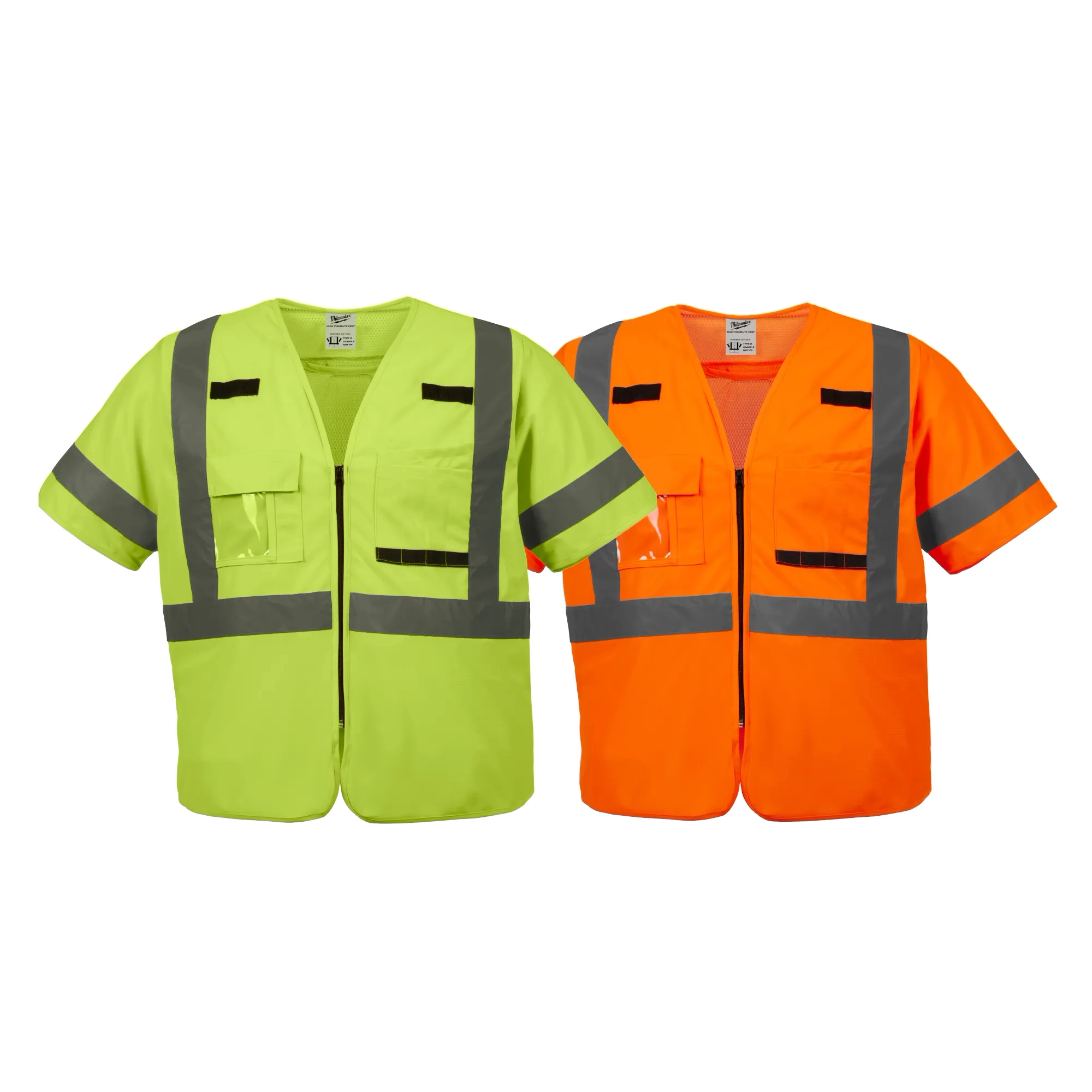
Workplace visibility is one of the most critical elements of occupational safety, especially in industries where workers operate near moving vehicles, heavy machinery, or busy roadways. In such high-risk environments, wearing a class 3 safety vest is often not just recommended but required. These high-visibility garments are designed to provide the maximum level of visibility, ensuring that workers can be easily seen from a distance in both daylight and low-light conditions.
For professionals working in construction zones, transportation infrastructure, utilities, and roadwork, maintaining visibility is vital to preventing accidents and ensuring smooth operations. Class 3 safety vests play a key role in meeting safety regulations while protecting workers from potentially dangerous situations.
Understanding Class 3 Safety Vests
Class 3 safety vests are the highest visibility category defined under ANSI (American National Standards Institute) standards. These vests are specifically designed for workers who face the greatest level of risk due to traffic speeds, complex work environments, or limited visibility.
Unlike lower-class safety garments, Class 3 vests provide:
- The largest area of fluorescent background material
- Extensive reflective striping
- Full-body visibility, including sleeves or extended coverage
These features ensure that workers are visible from long distances and from multiple angles, giving drivers and equipment operators more time to react.
When Class 3 Safety Vests Are Required
Class 3 safety vests are commonly required in environments where workers are exposed to high-speed traffic or extreme hazards. Examples include:
Road Construction Zones
Workers performing repairs, paving, or maintenance on highways and busy roadways require maximum visibility due to high vehicle speeds.
Traffic Control Operations
Personnel directing traffic or managing lane closures must remain visible to drivers approaching from a distance.
Emergency Response Teams
First responders working near roadways during accidents or emergencies rely on Class 3 visibility to stay safe in unpredictable environments.
Utility and Infrastructure Maintenance
Utility crews performing repairs near busy streets or highways often require the highest level of visibility to prevent accidents.
In these situations, enhanced visibility can significantly reduce the risk of workplace injuries.
Key Features of Class 3 Safety Vests
Class 3 safety vests include several features designed to provide maximum visibility and comfort for workers.
High-Visibility Fluorescent Colors
These garments typically use bright fluorescent colors such as lime green or blaze orange. These colors stand out against both natural and industrial backgrounds.
Reflective Striping
Reflective materials are strategically placed to ensure visibility from all directions. These strips reflect light from headlights, making workers visible during nighttime operations.
Extended Coverage
Class 3 vests often include sleeves or additional fabric coverage around the torso and shoulders. This expanded visibility area helps ensure workers remain visible even when bending, reaching, or turning.
Durable Construction
Since these vests are used in demanding environments, they are typically made from durable materials that withstand tough conditions, frequent wear, and outdoor exposure.
Functional Design
Many Class 3 vests include practical features such as:
- Multiple tool pockets
- Radio holders
- ID badge windows
- Adjustable closures for a secure fit
These features allow workers to carry essential equipment while maintaining comfort and mobility.
Benefits of Using Class 3 Safety Vests
The advantages of wearing Class 3 safety vests go beyond regulatory compliance. These garments provide tangible safety and operational benefits.
Improved Worker Visibility
The large coverage area ensures workers are visible from greater distances and from multiple viewing angles.
Reduced Accident Risk
Drivers and equipment operators can spot workers earlier, giving them more time to slow down or adjust their path.
Compliance with Safety Standards
Employers must meet industry safety regulations to protect their workforce. Class 3 vests help ensure compliance with ANSI guidelines and workplace safety policies.
Enhanced Worker Confidence
Employees who feel safe are more likely to perform their duties effectively and remain focused on the task at hand.
Choosing the Right Class 3 Safety Vest
Selecting the appropriate safety vest involves several considerations.
Work Environment
Assess whether workers are exposed to high-speed traffic, poor lighting, or complex job sites where maximum visibility is necessary.
Comfort and Fit
A properly fitting vest allows workers to move freely without restricting movement or causing discomfort during long shifts.
Durability
High-quality materials ensure that the vest maintains its reflective properties and visibility even after repeated use.
Weather Adaptability
Depending on the job environment, workers may need breathable mesh vests for warm weather or insulated versions for colder conditions.
Maintaining High Visibility Apparel
Proper care and maintenance help extend the life of safety vests and ensure they remain effective.
- Inspect vests regularly for damage or fading.
- Replace garments that have worn-out reflective strips.
- Wash according to manufacturer guidelines to maintain reflective performance.
- Store vests in clean, dry environments when not in use.
Regular inspections ensure that workers always have reliable protective gear.
Building a Strong Workplace Safety Culture
Providing proper safety apparel is an important step in building a strong safety culture within any organization. Employers who prioritize worker visibility demonstrate a commitment to protecting their teams and preventing workplace incidents.
Encouraging workers to wear high-visibility garments consistently helps reinforce safety habits and reduces the likelihood of accidents.
Final Thoughts
Class 3 safety vests are an essential component of workplace safety for professionals operating in high-risk environments. With their extended coverage, bright fluorescent materials, and reflective striping, these garments provide the highest level of visibility available. For industries such as construction, transportation, utilities, and roadwork, this level of protection can significantly reduce workplace hazards and improve overall safety.
For organizations looking to equip their workforce with reliable, high-quality visibility apparel, National Safety Gear offers a comprehensive selection of ANSI-compliant safety vests designed for demanding job environments. Explore their range of safety solutions to ensure your team stays visible, protected, and compliant on every job site.
