

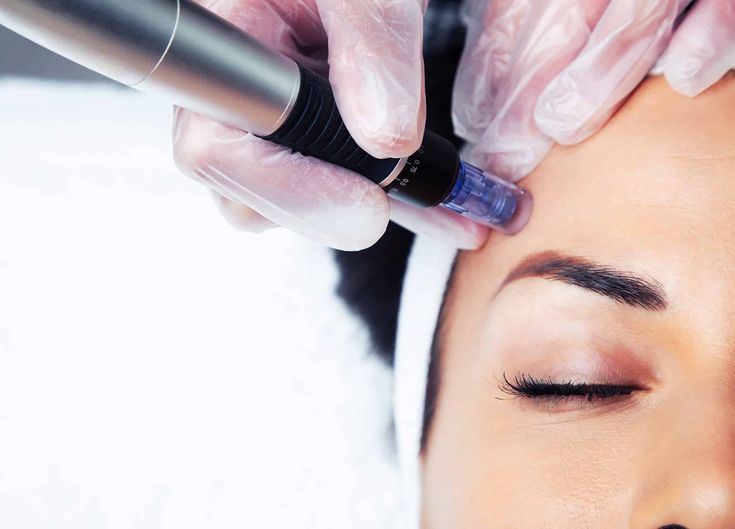
When most people think about medical aesthetics, they immediately picture smoother skin, fewer wrinkles, and a more youthful appearance. While cosmetic enhancements remain a major reason patients seek treatment, many popular aesthetic procedures offer benefits that extend far beyond beauty. In fact, some of the most widely used injectable treatments were originally developed for medical purposes before becoming household names in aesthetics.
Today, Vedas Medical Spa & Wellness Center treatments commonly associated with wrinkle reduction are also helping people manage chronic migraines, excessive sweating, jaw clenching, and other quality-of-life concerns. This growing overlap between cosmetic and therapeutic medicine highlights the versatility of modern aesthetic treatments and their ability to improve both appearance and overall well-being.
The Medical Side of Aesthetic Treatments
Many aesthetic procedures work by influencing muscles, nerves, skin function, or tissue regeneration. Because of these mechanisms, they can be useful for a variety of non-cosmetic conditions.
Some of the most common therapeutic applications include:
- Chronic migraine management
- Excessive sweating (hyperhidrosis)
- Jaw clenching and teeth grinding
- TMJ-related discomfort
- Muscle tension
- Certain facial asymmetries
For many patients, the functional improvements are just as valuable as any cosmetic enhancement.
Treating Chronic Migraines
Chronic migraines affect millions of people worldwide and can significantly impact daily life. Individuals suffering from chronic migraines may experience headaches on 15 or more days per month, often accompanied by symptoms such as:
- Nausea
- Light sensitivity
- Sound sensitivity
- Visual disturbances
- Neck pain
How Neuromodulators Help
Neuromodulators such as Botox can be used as a preventive treatment for chronic migraines. Rather than treating headaches after they occur, the treatment helps reduce the frequency and severity of migraine episodes.
The injections are typically administered in specific areas around the:
- Forehead
- Temples
- Scalp
- Neck
- Upper shoulders
Researchers believe the treatment helps by reducing pain signal transmission and decreasing muscle tension associated with migraine attacks.
Many patients report fewer headache days and improved quality of life following regular treatment sessions.
Managing Excessive Sweating (Hyperhidrosis)
Sweating is a normal bodily function, but some individuals experience excessive sweating that goes far beyond what is necessary for temperature regulation.
This condition, known as hyperhidrosis, can affect:
- Underarms
- Palms
- Feet
- Forehead
- Face
Excessive sweating may lead to:
- Social embarrassment
- Clothing stains
- Workplace discomfort
- Reduced confidence
How Injectable Treatments Reduce Sweating
Neuromodulator injections can temporarily block the nerve signals responsible for activating sweat glands.
As a result, treated areas often experience a significant reduction in sweat production.
Benefits may include:
- Drier skin
- Greater confidence
- Improved comfort
- Reduced reliance on strong antiperspirants
Results typically develop within a few weeks and may last several months before maintenance treatments are needed.
Jaw Clenching and Teeth Grinding
Many people unknowingly clench their jaw during the day or grind their teeth while sleeping. This condition, known as bruxism, can create a variety of symptoms, including:
- Jaw pain
- Headaches
- Facial tension
- Tooth damage
- Neck discomfort
Stress, anxiety, and sleep disorders are often contributing factors.
Treating the Masseter Muscles
The masseter muscles, located at the sides of the jaw, are responsible for chewing and jaw movement.
When these muscles become overactive, they may contribute to clenching and grinding behaviors.
Neuromodulator injections can help reduce excessive muscle activity by partially relaxing the masseter muscles.
Patients often experience:
- Less jaw tension
- Reduced grinding
- Fewer tension headaches
- Improved comfort
An additional cosmetic benefit is that treatment may soften a square or overly prominent jawline, creating a more balanced facial appearance.
Relief for TMJ-Related Symptoms
Temporomandibular joint (TMJ) disorders affect the joints connecting the jaw to the skull.
Symptoms may include:
- Jaw clicking
- Facial pain
- Difficulty chewing
- Limited jaw movement
- Muscle soreness
While TMJ disorders often require comprehensive evaluation and treatment, neuromodulator injections may help relieve muscle-related tension associated with certain TMJ conditions.
Many patients report improved comfort and reduced strain on the jaw muscles after treatment.
Reducing Neck and Shoulder Tension
Chronic muscle tension in the neck and shoulders can contribute to discomfort, headaches, and poor posture.
In select cases, injectable treatments may be used to reduce excessive muscle activity and improve overall comfort.
By targeting specific muscle groups, practitioners may help alleviate:
- Muscle tightness
- Tension headaches
- Stress-related discomfort
These applications are often tailored to the individual’s symptoms and anatomy.
Facial Symmetry and Functional Concerns
Some patients seek aesthetic treatments to address facial imbalances that affect both appearance and function.
Examples may include:
- Uneven muscle activity
- Facial asymmetry
- Overactive facial muscles
Strategic treatment can improve balance while preserving natural facial expression.
The goal is often subtle refinement rather than dramatic alteration.
Combining Therapeutic and Cosmetic Benefits
One reason these treatments have become increasingly popular is their ability to provide multiple benefits simultaneously.
For example:
Migraine Patients
May experience:
- Fewer headaches
- Smoother forehead appearance
Jaw Clenching Patients
May experience:
- Reduced muscle tension
- A slimmer jawline
Hyperhidrosis Patients
May experience:
- Reduced sweating
- Greater confidence in social and professional situations
This combination of functional and aesthetic improvements often contributes to high patient satisfaction.
What to Expect During Treatment
Most injectable treatments are performed in an office setting and require minimal downtime.
The procedure typically involves:
- Consultation and assessment
- Treatment planning
- Multiple small injections
- Brief recovery period
Most patients return to normal activities shortly afterward.
Results generally develop gradually over several days or weeks depending on the condition being treated.
Safety and Choosing a Qualified Provider
Although these treatments are commonly performed, they should always be administered by qualified medical professionals with appropriate training.
A skilled provider can:
- Assess candidacy
- Develop a personalized treatment plan
- Minimize risks
- Manage potential side effects
As with any medical procedure, proper evaluation is essential to achieving safe and effective outcomes.
The Expanding Role of Medical Aesthetics
The field of medical aesthetics continues to evolve beyond traditional cosmetic applications. As research advances, practitioners are discovering new ways to use aesthetic technologies and injectables to improve both appearance and quality of life.
For many patients, the greatest benefit is not necessarily looking younger—it is feeling more comfortable, confident, and free from symptoms that interfere with daily living.
Conclusion
Medical aesthetics is no longer limited to treating wrinkles and signs of aging. Today, many aesthetic treatments play an important role in managing chronic migraines, excessive sweating, jaw clenching, TMJ-related discomfort, and other functional concerns. These therapies demonstrate how cosmetic medicine and medical wellness increasingly intersect to provide comprehensive patient care.
Whether someone is seeking relief from persistent headaches, greater confidence due to reduced sweating, or comfort from chronic jaw tension, modern aesthetic treatments offer solutions that extend far beyond appearance. With proper guidance from a qualified provider, patients can often enjoy both therapeutic and cosmetic benefits from the same treatment approach.
