

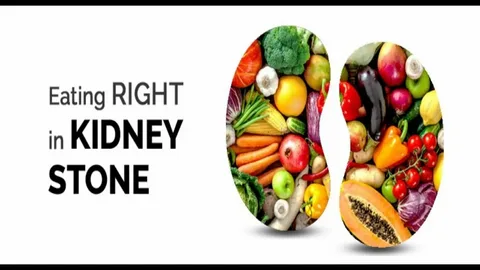
Gallbladder stones, or gallstones, are hard deposits that form in the gallbladder-an organ responsible for storing bile that aids in digesting fats. These stones can vary in size and may cause pain, nausea, and other digestive problems, especially after meals. While surgery is a common treatment, a proper diet plays a vital role in managing the condition, easing symptoms, and preventing new stones from forming.
In this guide, we’ll walk you through the diet for gallbladder stones, the foods to avoid with gallstones, and tips for a healthy gallbladder stone prevention diet. If you’re in Gujarat, we’ll also help you find the right Gall Bladder Stone Doctor in Ahmedabad to guide your treatment.
Understanding Gallbladder Stones
Gallstones form when substances in bile, like cholesterol or bilirubin, harden and clump together. The two main types are:
- Cholesterol stones (most common)
- Pigment stones (formed from excess bilirubin)
Some people with gallstones experience no symptoms, but others may face sharp pain in the upper abdomen, especially after fatty meals. This is called a gallbladder attack and usually requires medical attention.
Role of Diet in Gallstone Management
While diet alone cannot dissolve existing stones, it significantly influences symptom management and helps reduce the risk of new stones. A balanced, low-fat diet supports the gallbladder in emptying regularly and reduces cholesterol levels in bile.
Let’s dive into what to eat-and what to avoid.
Best Diet for Gallbladder Stones
A good diet for gallbladder stones should include:
1. High-Fiber Foods
- Oats, brown rice, barley
- Leafy greens, broccoli, carrots
- Apples, pears, and berries
Fiber improves digestion and prevents bile from becoming too concentrated.
2. Healthy Fats (In Moderation)
- Olive oil, flaxseed oil, avocados
- Nuts like almonds and walnuts (in small amounts)
These fats promote gallbladder contraction and bile flow but must be consumed sparingly.
3. Lean Protein
- Grilled chicken, turkey
- Fish (like salmon or tuna)
- Legumes (lentils, beans)
Avoid red meat and high-fat protein sources.
4. Low-Fat Dairy
- Skimmed milk
- Low-fat yogurt
- Cottage cheese
Dairy is fine as long as it’s low in fat.
5. Plenty of Water
Staying hydrated helps maintain the right bile consistency and reduces the risk of stone formation.
Foods to Avoid with Gallstones
Knowing the foods to avoid with gallstones is crucial to minimize symptoms like pain, bloating, and nausea.
Avoid:
- Fried foods: French fries, pakoras, fried chicken
- Fatty meats: Bacon, sausages, red meat
- Full-fat dairy: Cheese, butter, cream
- Refined carbs: White bread, sugary cereals, cakes
- Processed foods: Chips, frozen meals, junk food
- Sugary drinks and desserts: Soda, sweets, and ice cream
High-fat and processed foods force the gallbladder to work harder, increasing the risk of attacks.
Sample Gallbladder-Friendly Meal Plan
Here’s a basic idea of what a day on a gallbladder stone prevention diet might look like:
Breakfast:
- Oatmeal with apple slices and flaxseeds
- Herbal tea or warm water with lemon
Lunch:
- Brown rice with steamed vegetables
- Grilled fish or tofu
- Cucumber salad
Snack:
- A handful of almonds or a banana
Dinner:
- Quinoa with stir-fried spinach and chickpeas
- Low-fat yogurt
Lifestyle Tips for Gallbladder Health
In addition to diet:
- Maintain a healthy weight: But avoid crash diets, as rapid weight loss can trigger gallstones.
- Exercise regularly: Aim for at least 30 minutes of moderate activity most days.
- Eat small, frequent meals: Large meals can overwhelm the digestive system.
When to See a Specialist
If you experience recurring pain, especially after eating, you should consult a general surgeon. In some cases, surgery may be required to remove the gallbladder (cholecystectomy).
If you’re looking for an experienced Gall Bladder Stone Doctor in Ahmedabad, it’s important to choose a specialist who understands both medical and surgical options. For those who need advanced care, a Gall Bladder Stone Surgeon in Ahmedabad can help determine if surgery is necessary and guide you through the recovery process.
Conclusion
Your diet plays a powerful role in managing gallbladder stones. By choosing high-fiber, low-fat meals and avoiding processed and fried foods, you can reduce symptoms and lower the chances of further stone development.
If you are facing gallbladder-related issues, consult a trusted Gall Bladder Stone Doctor in Ahmedabad for diagnosis and treatment. Whether through dietary changes or surgery, timely care can prevent complications and improve your digestive health.
