

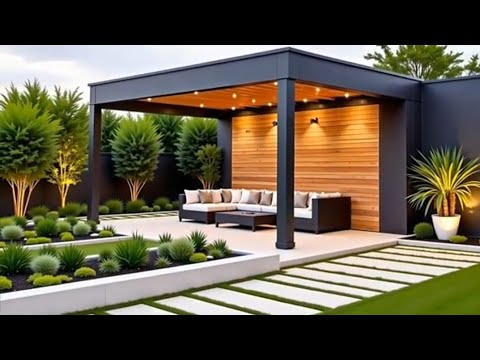
There is something about a well-designed outdoor space that changes the entire feel of a home. In Austin, where the weather invites outdoor living for most of the year, a backyard without a thoughtfully built patio or pergola is a missed opportunity. Homeowners across the Austin metro area are increasingly investing in outdoor structures that do more than just look good – they extend living space, add real property value, and create the kind of atmosphere you genuinely want to spend time in.
Whether you are starting from a blank slate or updating an existing yard, working with experienced patio builders makes all the difference between something functional and something truly special.
What Makes Austin Backyards Different From the Rest?
Austin’s climate is both a gift and a challenge. Long summers with intense heat, mild winters, and unpredictable spring storms mean outdoor structures here need to be built with local conditions in mind. A pergola that works beautifully in the Pacific Northwest may require entirely different materials and anchoring systems to hold up well through a Central Texas summer.
Experienced pergola builders who understand Austin soil conditions, sun angles, and drainage patterns will design structures accordingly. Cedar and powder-coated aluminum are popular choices right now because they handle Texas heat without warping or corroding, while composite decking materials have made major strides and now offer impressive durability alongside cleaner aesthetics.
Beyond materials, the orientation of your patio matters enormously in Austin. A covered patio positioned to catch prevailing southeast breezes while blocking the harsh western afternoon sun creates a dramatically more comfortable space than one placed without thought to solar exposure. These are the details that separate a good outdoor project from an exceptional one.
How Do You Know If Your Backyard Needs a Pergola or a Full Patio Build?
This is one of the most common questions homeowners ask, and the honest answer is that the two often work best together. A patio provides the foundation – the hardscaped floor area that defines your outdoor room – while a pergola adds vertical structure, partial shade, and architectural character.
If your current yard is mostly lawn with no defined outdoor living area, a patio build should come first. You need that solid, level surface before adding any overhead structure. If you already have a concrete slab or flagstone area but it lacks shade or visual definition, a pergola installation can completely transform the space without requiring a full rework.
Many homeowners in the Barton Hills, Tarrytown, and Westlake areas are going further and incorporating both into cohesive outdoor living environments that include outdoor kitchens, fire features, and integrated lighting. The trend toward treating the backyard as a genuine extension of the interior floor plan has only accelerated, and custom builds are at the center of it.
What Options Are Available for Custom Pergola Designs Right Now?
The pergola market has evolved considerably. Today’s options go well beyond the basic wood-post structures that were standard a decade ago. Louvered pergolas with adjustable roof panels are extremely popular among Austin homeowners because they offer control over sunlight and ventilation at the turn of a hand crank or the press of a button on an app. On a warm afternoon you can angle the louvers to filter light; if rain rolls in, you can close them fully in seconds.
Attached pergolas that connect directly to the roofline of your home create seamless transitions from indoors to outdoors and tend to feel more like a natural extension of the structure rather than an add-on. Freestanding designs, on the other hand, give more flexibility for placement anywhere in the yard and work well for creating a destination space around a pool or garden.
Material choices include natural cedar, redwood, steel, aluminum, and vinyl, each with trade-offs in terms of maintenance, longevity, and cost. Working with skilled pergola builders who carry multiple product lines means you get an honest assessment of what will perform best for your specific situation rather than whatever is easiest to install.
What Should You Expect from a Professional Patio Installation in Austin?
A professionally built patio is not simply concrete poured on bare soil. It starts with proper excavation, base compaction, and drainage planning – all of which are especially important given Austin’s expansive clay soils that shift with moisture changes. Skipping these steps is the most common reason DIY or budget patio projects develop cracks and unlevel surfaces within a few years.
Beyond the structural work, today’s patio designs incorporate features like built-in planters, step lighting, decorative borders, and seamless transitions to lawn or pool decking. Natural limestone pavers have long been a signature material in Central Texas outdoor builds, both because of their visual warmth and because they are locally sourced. Travertine, bluestone, and large-format porcelain tiles are also trending for homeowners looking for a more contemporary or polished finish.
The best patio builders in Austin handle every aspect of the project – permitting, grading, drainage, material selection, and finishing – so you are not left coordinating between multiple contractors.
How Do Landscaping Services Tie Into Patio and Pergola Projects?
This is where a lot of outdoor projects fall short. A beautiful patio and pergola surrounded by unplanned or neglected landscaping never reaches its full potential. The hardscape and softscape elements need to work together, and that requires a team who thinks about both simultaneously.
Full-service landscaping services in Austin Texas handle everything from initial grading and drainage to planting design, irrigation, outdoor lighting, and ongoing maintenance. When your patio builder and your landscape designer are part of the same team, the result is a cohesive property that feels intentional from every angle. Plant selections are made to complement the structure’s material palette, lighting is placed to highlight both architectural features and garden areas, and irrigation is planned to work around hardscape edges rather than fight against them.
Anderson Landscape brings this integrated approach to every project, treating the yard as a whole rather than a collection of unrelated components. It is the difference between a backyard that looks assembled and one that looks designed.
FAQs
How long does a custom patio and pergola project typically take in Austin?
Most residential projects run between three to eight weeks from design approval to completion, depending on the scope of work, material lead times, and permitting. More complex builds involving outdoor kitchens, drainage systems, or large-scale hardscaping can take longer. A detailed timeline is always established upfront so you know what to expect.
Do I need a permit to build a pergola in Austin?
In most cases, yes. Austin’s building codes require permits for permanent structures, including attached pergolas and substantial freestanding builds. Permit requirements vary depending on size, height, and whether the structure is attached to the home. A reputable contractor will handle all permitting on your behalf and ensure the build is fully code-compliant.
What is the best material for a pergola in the Austin climate?
Aluminum and cedar are both excellent choices for Central Texas. Aluminum requires virtually no maintenance and holds up well against heat, humidity, and UV exposure. Cedar is naturally rot-resistant and brings a warmer, more organic appearance, though it benefits from periodic sealing. The right choice depends on your aesthetic preferences and how much upkeep you want to take on.
How much does a custom patio installation cost in Austin?
Costs vary widely based on size, materials, site conditions, and the complexity of the design. A basic concrete patio will run considerably less than a multi-zone limestone paver installation with lighting and built-in planters. Getting a detailed proposal with line-item pricing is the best way to understand what your specific project will involve. Most experienced patio builders offer free consultations.
Can a pergola be added to an existing patio?
Absolutely, and this is one of the most common projects. As long as the existing patio is structurally sound and properly sized, a pergola can be anchored to it with minimal disruption. In some cases, minor repairs or reinforcement to the existing slab may be recommended before installation begins.
