

The slot gacor hari ini machine is one of the most recognizable gambling devices in the world. Found in casinos, online gaming platforms, and entertainment venues, slot machines have become a symbol of chance and excitement. However, many people are curious about the origins of this famous invention. The question often asked is simple: who invented the slot machine? Understanding the history of the slot machine helps reveal how a simple mechanical device eventually evolved into the digital entertainment experience we see today.
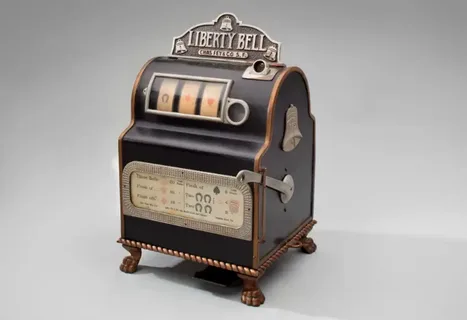
The invention of the slot machine dates back to the late 19th century. A mechanic named Charles Fey, who lived in San Francisco, California, is widely credited as the inventor of the first true slot machine. Around the year 1895, Fey developed a mechanical gambling device that would later be known as the Liberty Bell. This machine introduced a revolutionary concept for its time: an automatic payout system that rewarded players when specific symbols aligned.
Before Charles Fey’s invention, several coin-operated gambling machines existed, but they were quite different from modern slot machines. Earlier devices often required manual payouts or used poker cards instead of spinning reels. These machines lacked the simple gameplay and automatic reward system that Fey introduced. His creation made gambling machines easier to use and more appealing to players, which helped popularize them across the United States.
The Liberty Bell cara menang mahjong ways online machine featured three spinning reels and five symbols: horseshoes, diamonds, spades, hearts, and a cracked Liberty Bell symbol. When three Liberty Bell symbols lined up on the reels, the player received the highest payout. The design was simple but incredibly effective. Because the machine automatically dispensed coins when a winning combination appeared, it quickly gained popularity in bars, saloons, and cigar shops.
Charles Fey’s invention spread rapidly, even though gambling laws in many areas made such machines controversial. Since Fey did not patent the Liberty Bell machine, other manufacturers began creating their own versions. This led to the rapid expansion of slot machine designs throughout the early 1900s. Many companies began producing similar machines with slight variations in symbols, mechanics, and payout structures.
As slot machines continued to evolve, manufacturers introduced new features and themes. During the early 20th century, fruit symbols such as cherries, lemons, and plums became common. These symbols were popularized by machines that dispensed fruit-flavored chewing gum as prizes instead of money, allowing businesses to bypass gambling restrictions. This innovation led to the iconic fruit symbols still seen on many slot machines today.
Technological advancements played a major role in transforming slot machines over the decades. In the 1960s, the first electromechanical slot machine was introduced, marking a significant shift away from purely mechanical systems. This allowed developers to add more complex payout systems, flashing lights, and engaging sound effects. The result was a more immersive gaming experience that attracted even more players.
The next major milestone came in the 1970s with the introduction of the first video slot machine. Instead of physical reels, these machines used digital screens to display spinning symbols. This innovation opened the door for more creative game designs, bonus features, and larger jackpots. Casinos quickly adopted video slot machines because they offered greater flexibility and could host a wider variety of games.
The rise of the internet in the late 1990s brought another transformation. Online casinos introduced digital slot games that could be played from computers and later from smartphones. These online slots maintained the core concept originally created by Charles Fey but added modern graphics, story themes, animations, and progressive jackpots that can reach millions of dollars.
Today, slot machines remain one of the most popular forms of casino entertainment worldwide. From traditional mechanical machines to advanced online slots with cinematic graphics, the evolution of the slot machine reflects over a century of technological innovation. Despite all these advancements, the fundamental idea remains the same: spinning reels, matching symbols, and the thrill of chance.
In conclusion, the invention of the slot machine can largely be credited to Charles Fey and his Liberty Bell machine in the 1890s. His groundbreaking design introduced the core mechanics that still define slot machines today. Over time, the device evolved through mechanical, electromechanical, video, and online technologies. What started as a simple machine in a San Francisco workshop has grown into a global entertainment industry enjoyed by millions of players around the world.
