

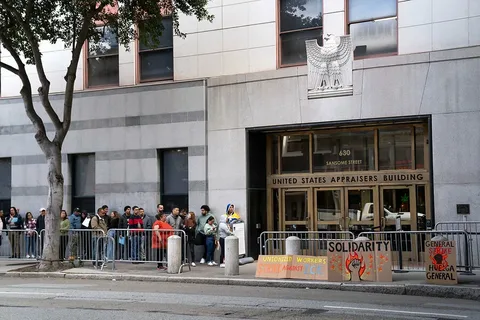
Immigration court cases often involve individuals who speak many different languages. Because clear communication is essential for a fair legal process, immigration courts frequently rely on professional interpreters to assist during hearings. Interpreters help ensure that individuals fully understand the questions asked in court and can accurately present their responses.
By facilitating communication between the court and the individuals involved in a case, interpreters help maintain fairness and clarity throughout immigration proceedings.
Why Interpreters Are Important in Immigration Court
Immigration law affects people from many countries and language backgrounds. Not everyone appearing before an immigration judge speaks English fluently, which can make it difficult to understand legal questions or explain personal circumstances.
Interpreters help bridge this communication gap by translating spoken language during hearings. Their role allows individuals to participate meaningfully in their cases and ensures that the court understands their testimony accurately.
Clear communication helps judges evaluate cases based on reliable information.
How Interpretation Works During Hearings
During an immigration hearing, interpreters translate statements between the immigration judge and the individual involved in the case. The interpreter listens to the original statement and then communicates it in the appropriate language.
This process allows both sides to understand the discussion in real time.
Interpreters may translate:
- Questions from the immigration judge
- Statements made by government attorneys
- Testimony from witnesses
- Responses given by the individual involved in the case
The goal is to ensure that the meaning of each statement remains accurate during the translation process.
Professional Standards for Court Interpreters
Because interpretation plays such an important role in legal proceedings, immigration courts rely on trained professionals who follow strict standards. Court interpreters are expected to translate statements as accurately and neutrally as possible without adding personal opinions or altering the meaning of what is said.
Professional interpreters must maintain confidentiality and impartiality throughout the hearing.
These standards help ensure that the interpretation process supports a fair and reliable legal proceeding.
Challenges in Multilingual Courtrooms
Even with skilled interpreters, multilingual courtrooms can present certain challenges. Some languages may include regional dialects or expressions that require careful translation to ensure accuracy.
Interpreters must also convey legal terminology clearly so that individuals understand the meaning of questions related to immigration law.
Despite these challenges, professional interpretation services help courts maintain effective communication during hearings.
Interpretation and the Appeals Process
If an immigration case is appealed, the statements translated during the hearing become part of the official case record. Reviewing authorities such as the Board of Immigration Appeals (BIA) rely on the recorded testimony when examining the case.
Accurate interpretation during the original hearing helps ensure that the testimony reflected in the record accurately represents what was said.
This accuracy becomes especially important if the case undergoes further legal review.
Detention and Legal Review
Some individuals involved in immigration proceedings may remain in detention while their cases move through the legal system. When detention lasts for an extended period, federal courts may review whether the government’s authority to maintain custody remains lawful.
In such situations, individuals may consult legal professionals experienced in detention-related matters. A Habeas Corpus Lawyer may request that a federal court examine whether continued detention complies with federal law.
This type of legal review focuses specifically on detention issues rather than the interpretation services used during immigration hearings.
Why Accurate Communication Matters
Accurate communication is a fundamental part of any legal system. In immigration court, interpreters play a critical role in ensuring that individuals understand the proceedings and can respond effectively to questions.
By enabling clear communication between all parties involved, interpreters help maintain fairness and transparency in the immigration legal process.
Conclusion
Interpreters are an essential part of immigration court proceedings because they ensure that language differences do not prevent individuals from participating fully in their cases. Through accurate and professional translation, interpreters help courts evaluate testimony, understand evidence, and conduct hearings effectively.
Their work supports the integrity of the immigration legal system by ensuring that communication remains clear and reliable throughout the legal process.
