
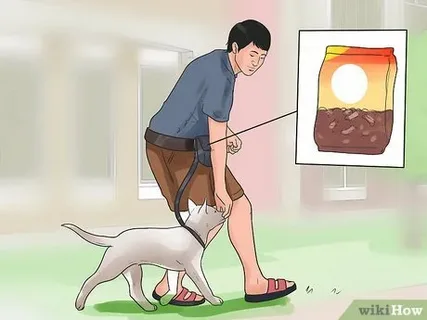
Training your dog to listen reliably in any environment is one of the greatest gifts you can give both yourself and your canine companion. In this guide, we walk you through the key ideas behind k9 off leash training, why the right approach matters, and how working with trusted professionals like Rob’s Dog Training can support you in building a dog who responds calmly and confidently, even without a leash.
Why Off-Leash Skills Matter
Having a dog who stays focused and responsive without physical restraint brings peace of mind no matter where you are. Whether you visit parks, hiking trails, beaches, or busy neighborhoods, off-leash obedience helps create a safer and more enjoyable experience. Your dog learns to look to you for direction, follow cues consistently, and maintain self-control even around distractions.
Many dog owners appreciate off-leash reliability because it brings a sense of partnership between them and their pets. Instead of relying on physical control, communication becomes the foundation. Clear cues, strong habits, and mutual understanding all play important roles in building this level of behavior.
Building the Right Foundation
Before introducing off-leash work, your dog should have a solid foundation in basic obedience. This includes consistent responses to cues such as sit, down, stay, heel, and come. Reliable behavior on a standard leash is also essential, as it sets the stage for future progression.
During this stage, we encourage you to focus on calm guidance, patience, and repetition. When your dog knows expectations and receives clear information, learning becomes smoother. Rewards, praise, and consistent structure all contribute to better outcomes.
The Role of Consistency
One of the most important elements in your dog’s success is consistency. Your dog learns from repetition and clear communication. When everything you ask remains steady from day to day, behaviors become habitual.
This includes:
- Using the same verbal cues
- Keeping training sessions short and positive
- Reinforcing desired behavior promptly
- Maintaining routines that help your dog understand boundaries
Consistency helps your dog build confidence, and confidence is what allows them to perform well even when distractions appear.
Introducing Controlled Freedom
Off-leash skill development happens gradually. You begin in a controlled setting, often a quiet yard or indoor space, where distractions are minimal. Long-line leashes or training leads are helpful tools during this phase, as they keep your dog safe while still offering a sense of space.
During this stage, we recommend:
- Practicing recalls frequently
- Rewarding quick responses generously
- Allowing your dog to practice staying near you
- Giving breaks to avoid mental fatigue
As your dog becomes more reliable, you slowly introduce mild distractions. This step-by-step approach builds trust while keeping your dog safe.
Strengthening Recall Responses
A dependable recall is the heart of off-leash obedience. Your dog should come to you promptly, happily, and without hesitation in various settings. This skill helps keep your dog out of danger and gives you more freedom together outdoors.
To strengthen your dog’s recall:
- Practice in different environments
- Reward generously when your dog returns quickly
- Keep your tone inviting and friendly
- Reinforce recall even when your dog is already heading toward you
A strong recall forms the backbone of all future off-leash activities.
Distraction Management
Your dog will encounter distractions everywhere, other dogs, wildlife, people, noises, scents, and unexpected movement. Teaching your dog to remain responsive despite these triggers requires patience and gradual exposure.
We encourage you to introduce distractions slowly. Start with mild ones and work your way up as your dog grows more confident. Reinforce calm behavior and give guidance when your dog appears uncertain. Over time, your dog learns to check in with you instead of reacting impulsively.
Confidence Building Through Structure
Structure is essential for a well-rounded off-leash experience. Dogs feel calmer when they know what to expect. Establishing clear routines and boundaries reduces stress and improves focus.
Structure may include:
- Set training times each day
- Predictable expectations for behavior
- Routine walks and exercise
- Clear rules about greeting people or approaching dogs
When your dog is confident in everyday routines, they respond more reliably to off-leash cues outdoors.
Social Situations and Public Manners
Responsible off-leash behavior goes beyond obedience cues. Your dog should also know how to act around people, pets, and unfamiliar environments. Good manners create positive experiences and prevent misunderstandings when you’re out in public.
Important off-leash manners include:
- Walking calmly near other dogs
- Not rushing toward strangers
- Ignoring distractions after a cue
- Remaining near you without wandering off
Teaching these manners early makes outdoor adventures smoother and more enjoyable.
Safety First, Always
While off-leash training provides freedom, safety should always be your top consideration. Not all environments are suitable for off-leash practice, especially when there are hazards such as busy roads or wildlife.
We encourage you to assess your surroundings before giving your dog off-leash freedom. Choose open areas with good visibility and fewer potential risks. Practicing in safe locations helps prevent accidents and builds your dog’s confidence.
Patience Makes Progress
Every dog learns at a different pace. Some grasp off-leash skills quickly, while others need more time and guidance. Patience is essential throughout the process. Celebrate small successes, and avoid frustration if your dog makes mistakes.
Building dependable off-leash habits often requires ongoing reinforcement. With steady practice and a positive approach, progress continues over time.
Working with Professional Guidance
While many owners begin off-leash training at home, professional guidance often accelerates success. Experienced trainers understand how to address common obstacles, introduce dogs to distractions safely, and tailor training methods to each dog’s personality.
This type of support is especially helpful if your dog has behavioral challenges such as reactivity, anxiety, or inconsistent obedience. Professional insight ensures your dog receives clear direction while you gain confidence as the leader your dog trusts.
Enjoying a Better Bond with Your Dog
Off-leash reliability creates more shared experiences, hiking, playing, traveling, and enjoying the outdoors together without stress. Your dog becomes a willing partner, checking in regularly and responding to your cues with comfort and certainty.
A well-trained dog not only behaves better but also feels more secure. Daily life becomes calmer, and your relationship deepens through consistent communication and shared activities.
Final Thoughts
With the right approach, patience, and structure, k9 off leash training becomes a rewarding process that strengthens your connection with your dog. By focusing on communication, safety, and gradual progress, you help your dog become confident and responsive in various environments. For professional support and guidance tailored to your dog’s needs, Rob’s Dog Training is a trusted partner committed to helping you build lasting success.
Visit their website at https://robsdogs.com/ to learn more.
