

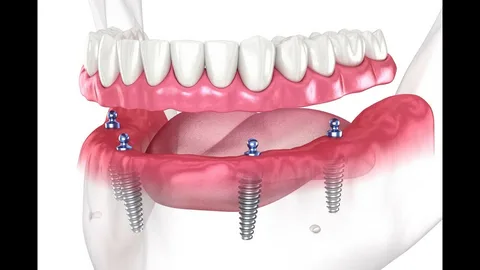
All-on-4 dental implants (often called “teeth in a day”) can restore a full upper or lower arch of teeth using just four titanium posts in your jaw. Many people wonder, “Am I a candidate for All-on-4 implants?” In short, this treatment is designed for adults who have lost most or all of their teeth in an arch and have enough healthy jaw bone and gums to support the implants. If you have extensive tooth loss, failing dental work, or uncomfortable dentures, you could very well qualify. We’ll explain the key factors below.
Who Is a Good Candidate for All-on-4 Implants?
Several factors determine whether you are a good candidate for All-on-4 dental implants. While this treatment is ideal for many people with extensive tooth loss, your dentist will evaluate your oral health, jawbone density, medical history, and long-term treatment goals before recommending it. The following factors are the most important when deciding if All-on-4 is the right solution for restoring your smile.
Missing Most or All Teeth
All-on-4 is intended for people missing the majority of their upper or lower teeth. If all or nearly all of your teeth need replacing (for example, due to decay, injury or advanced gum disease), you’re a typical candidate. By contrast, if you are missing only one or two teeth, simpler solutions (like a single implant or bridge) may be a better choice.
Jaw Bone Health
A stable jawbone is critical for implant success. All-on-4 uses angled implants to maximize the bone you have. This means even patients with some bone loss can often qualify without a bone graft. However, you still need a reasonable amount of bone density in the front of the jaw; severe bone loss might require a graft first. During your evaluation, dentists will use 3D imaging to check bone levels and plan the implant placement.
Good Oral and General Health
Candidates should have healthy gums and be free of active periodontal (gum) disease. Any cavities or infections should be treated before surgery. Overall health also matters: uncontrolled conditions (like diabetes or autoimmune diseases) can impair healing, and heavy smokers face higher implant failure rates. If needed, your dentist will work with you to manage these issues. In general, adult patients who are in good health, practice proper oral hygiene, and avoid tobacco are excellent candidates.
Commitment to Care
All-on-4 implants are a long-term solution, and they require ongoing care. Candidates must be prepared to brush and floss diligently and attend regular dental check-ups. As one dental group notes, you should be “willing to adhere to a strict oral hygiene regimen” to keep the implants healthy.
Desired Outcomes
People who struggle with loose dentures, want a stable smile, and prefer a permanent fix often choose All-on-4. Soft Touch Dental in San Diego notes that ideal candidates include those “missing most of their teeth” or tired of traditional dentures, since All-on-4 offers a fixed arch that feels and functions like natural teeth. This solution can dramatically boost confidence and chewing ability.
Consultation Needed
Ultimately, only a qualified implant dentist can tell you for sure. If you’re asking, “Is All-on-4 good for me?” schedule an evaluation. The dentist will review your oral health, take X-rays/3D scans, and discuss your goals. For example, at All-on-4 Dental Implants San Diego – Soft Touch Dental in California, specialists emphasize using every bit of available bone and often avoid extra grafting.
Summary of Candidacy Factors
-
Extent of Tooth Loss: You need most or all teeth in an arch missing or non-restorable.
-
Jaw Bone: Adequate bone density is required (especially in the front jaw). All-on-4’s angled posts let many patients skip grafts.
-
Gum Health: Gums must be healthy (gum disease must be controlled first).
-
General Health: Chronic conditions (uncontrolled diabetes, heavy smoking, etc.) should be addressed.
-
Lifestyle: Commitment to hygiene and follow-up care is a must for long-term success.
If you meet most of these criteria, All-on-4 implants can be a great solution. Even patients once told they couldn’t get implants may qualify after minor preparatory treatments.
Benefits of All-on-4 vs. Other Options
All-on-4 implants offer several advantages for suitable patients. Because they are fixed in place, you won’t need denture adhesives or worry about slipping. They look, feel and function very much like natural teeth: patients report that friends and family often can’t tell the difference. All-on-4 preserves jawbone by transmitting chewing forces into the bone, helping avoid the “sunken” facial appearance common with missing teeth. Unlike removable dentures, All-on-4 gives you full chewing power and usually feels more comfortable.
In addition, the procedure is relatively efficient. Only four implants are placed per arch (hence the name), and in many cases a temporary set of teeth is attached the same day. You literally can walk out of the clinic with a new smile, which is why it’s called “new teeth in a day.” Recovery tends to be faster than placing many individual implants; most patients are back to normal activities within a few days by following after-care (soft diet, rest).
However, All-on-4 has trade-offs. The cost is higher than a partial solution (though it can be cost-effective long-term). The first few days you will experience some swelling and discomfort – this is normal. Patients say any pain is usually mild and controlled with medication. Speaking and chewing may feel unusual at first as you adapt, but most people adjust within weeks. Overall, patient reviews show the life-changing benefits far outweigh the temporary downsides.
For example, a recent article compiled patient feedback: people loved the “instant transformation” of a full smile on day one, a natural look and feel, and freedom from dentures. They were prepared for only mild soreness initially, and most said the investment was worth it for long-term results.
The Treatment Process and Recovery
If you qualify and choose All-on-4, here’s what to expect. First, you’ll have a thorough consultation and planning, including 3D imaging. On surgery day, diseased teeth are extracted if needed and four implants are placed (two in front, two angled in back). A temporary prosthesis is secured on the same day, so you leave with functioning teeth. Most practices use sedation, so you feel nothing during the procedure.
Post-surgery, expect swelling and minor bruising for a few days. Your doctor will give antibiotics, painkillers, and instructions like using salt-water rinses and resting. It’s normal to feel soreness around day 3–4, then improve. Avoid smoking (it slows healing) and hard foods for a while. By about a week you’ll feel much better; many patients resume normal light activities after 2–3 days. During the next few months, the implants fuse to your bone. Your dentist will replace the temporary teeth with permanent restorations once healing is complete. Follow-ups are important, and dentists recommend tools like a Waterpik and regular cleanings to keep the new smile healthy.
Conclusion
In summary, “Am I a candidate for All-on-4 dental implants?” – you might be if you have significant tooth loss in one or both arches, enough healthy jawbone, and good oral/general health. All-on-4 can restore a complete, natural-looking smile in one procedure for those who qualify. It’s especially worth considering if traditional dentures have been troublesome or if you want a long-term, fixed solution.
If you fit the profile above, the next step is a consultation with an implant specialist. They’ll review your X-rays, examine your mouth, and help you decide if All-on-4 is right for you. In San Diego, for example, Soft Touch Dental’s team emphasizes that even patients initially unsure about implants often find a path to treatment with All-on-4. Remember, proper planning and care make the difference: follow your dentist’s instructions, and you’ll be on your way to a confident new smile. If you’re asking “Am I a candidate for All-on-4 dental implants?”, a professional evaluation will give you the answer.
FAQ
How long do All-on-4 implants last?
All-on-4 implants are designed as a permanent solution. The titanium posts will not decay, and with good care they can last decades or even a lifetime. Studies and clinics report success rates around 95–98%. The new teeth themselves may need replacement after many years (similar to regular crowns), but the implants can last as long as you do. Daily brushing, flossing, and dental checkups are key to long-term success.
Will All-on-4 surgery be painful?
No, the surgery itself is painless because of sedation and local anesthetic. Afterward, you’ll feel some tenderness and swelling. Most patients describe it as moderate soreness for a few days, controlled by pain medication and a soft diet. Symptoms usually peak around day 3 and improve steadily afterward.
How soon can I eat normally after All-on-4?
You’ll begin with a soft-food diet after surgery. Most patients gradually return to normal eating within a few months after the implants fully integrate with the jawbone. Your dentist will provide personalized dietary instructions throughout the healing period.
How is All-on-4 different from regular implants or dentures?
All-on-4 uses only four implants to support an entire arch of teeth, making treatment faster and often eliminating the need for bone grafting. Unlike removable dentures, the prosthesis is fixed in place and does not slip or require adhesives.
Is All-on-4 right for me?
All-on-4 is an excellent option for people who have lost most or all of their teeth and want a permanent, stable replacement. The best way to know if you qualify is to schedule an evaluation with an experienced implant dentist.
